

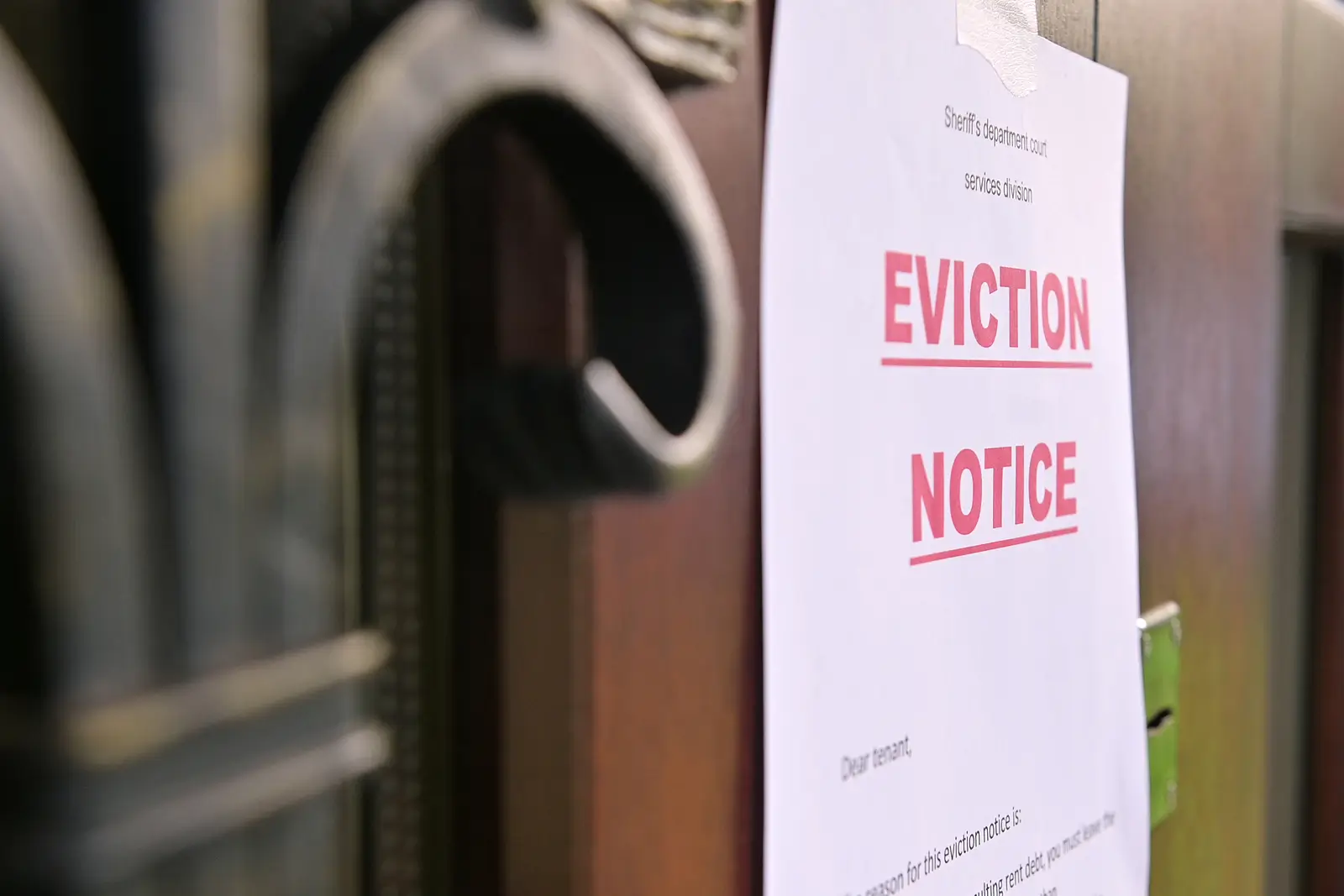
Colorado landlords are operating in a new legal environment. With the passage of HB 24-1098, also known as the Just Cause Eviction in Colorado law, property owners can no longer rely on traditional lease expiration or broad termination clauses to remove a tenant.
Effective April 19, 2024, House Bill 24-1098 requires landlords to have a legally defined “just cause” to evict a tenant or decline to renew a lease. This shift to a “for-cause” standard significantly raises the bar for documentation and compliance.
For Denver-area landlords, understanding the documentation requirements is critical. Failure to comply can result in dismissed eviction cases—and potentially severe penalties of three times the monthly rent or $5,000, whichever is greater.
At PMI Elevation, a trusted property management company serving Denver, CO, we help rental property owners navigate these new requirements confidently and legally. Below is a comprehensive guide to the documentation every landlord needs under HB 24-1098.
Key Takeaways
Colorado is now a “for-cause” eviction state. Landlords must provide a legally recognized reason to evict or non-renew a lease.
Documentation is mandatory—not optional. Courts require written proof, payment ledgers, notices, and service verification.
90-day notice is required for most no-fault evictions. You must also provide supporting evidence for the stated reason.
Some tenants qualify for relocation assistance. Landlords may owe 2–3 months’ rent in certain no-fault cases.
Penalties for noncompliance are severe. Improper evictions can result in cases being dismissed and significant financial damages.
What Is HB 24-1098? Understanding Just Cause Eviction in Colorado
Under HB 24-1098, landlords must provide a legally recognized reason to:
Refuse to renew a lease
Terminate certain tenancies
Previously, landlords could allow a lease to expire without offering a specific cause. That is no longer permissible in most cases.
The law categorizes evictions into two main groups:
At-Fault Evictions
No-Fault Evictions (90-Day Notice Required)
Each category has strict documentation standards.
1. General Documentation Required in All Cases
Regardless of the reason for eviction or non-renewal, certain foundational documents are mandatory.
Signed Lease Agreements
You must maintain:
The original, fully executed lease
All amendments or addendums
Any renewal agreements
A missing or incomplete lease can undermine your case in court.
Written Notice of Non-Renewal or Termination
In many no-fault situations, landlords must provide a 90-day written notice. The notice must:
Clearly state the legal reason
Comply with statutory language
Be served properly
Improper notice is one of the most common reasons eviction cases are dismissed.
Proof of Service
You must be able to prove the tenant received the notice. Acceptable proof includes:
Signed affidavit from the person who served the notice
Photographs of a posted notice
Certified mail receipts
Without proof of service, the court may reject your filing.
Written Records of Communication
Keep detailed records of:
Emails
Text messages
Written letters
Notes from phone calls
These records should document lease violations, rent reminders, warnings, and any other relevant interactions.
Pro Tip: Document issues immediately when they occur—not months later.
2. Documentation for At-Fault Evictions
An “at-fault” eviction occurs when the tenant violates the lease or fails to meet legal obligations. HB 24-1098 requires specific evidence depending on the violation type.
Nonpayment of Rent
Required Documentation:
Detailed Payment Ledger
Rent due dates
Payments received
Late fees assessed
Outstanding balances
10-Day Notice to Pay or Quit
Properly served
30 days may apply for certain subsidized tenants
A vague rent record will not hold up in court. Your ledger must be clear, organized, and accurate.
Curable Lease Violations
These include:
Unauthorized occupants
Noise complaints
Minor property damage
Required Documentation:
10-Day Notice to Cure or Quit
Must clearly state the specific lease provision violated
Explain how to fix the issue
Evidence of Violation
Photographs or video
Police reports
Written neighbor complaints
Inspection reports
Courts expect objective evidence—not hearsay.
Substantial or Criminal Violations (Non-Curable)
These involve serious issues such as:
Illegal drug activity
Violent crimes
Threats to safety
Required Documentation:
3-Day Notice to Quit
Police Reports or Affidavits
Evidence of criminal activity or danger posed
Because these cases escalate quickly, strong documentation is essential.
3. Documentation for No-Fault Evictions (90-Day Notice Required)
HB 24-1098 significantly limits “no-fault” evictions. If you plan to terminate a tenancy without tenant misconduct, you must prove your reason.
Landlord or Family Occupancy
If you intend to move into the unit:
Signed affidavit stating intent to occupy as primary residence
Supporting documentation if applicable
False claims can result in serious penalties.
Demolition or Property Conversion
If the property will be demolished or converted:
Building permits
Planning approvals
Short-term rental license applications
Official filings
Verbal claims are insufficient.
Substantial Repairs
If major repairs require vacancy for safety reasons:
Written documentation from contractor or engineer
Evidence repairs cannot be safely completed with the tenant present
Routine maintenance does not qualify.
Selling or Withdrawing from the Rental Market
If removing the property from the rental market entirely:
Listing agreement for sale
Evidence property is not being re-rented
Documentation showing withdrawal from rental use
Under HB 24-1098, landlords cannot use sale as a pretext to remove tenants and re-rent at higher rates.
4. Special Case Documentation Requirements
Certain tenants receive additional protections under Just Cause Eviction in Colorado.
Relocation Assistance
In qualifying no-fault evictions, tenants may be entitled to relocation assistance if they:
Are over 60 years old
Have a disability
Have children under 18
Earn under 80% of Area Median Income
Landlords may be required to offer 2–3 months’ rent as relocation assistance.
You must maintain:
Proof of eligibility determination
Documentation showing payment or offer of relocation funds
Failure to provide required assistance may invalidate your eviction.
Mediation Requirements
If a tenant receives:
SSI
SSDI
TANF
You must show evidence of a good-faith effort to engage in mediation before proceeding.
Keep:
Emails requesting mediation
Mediation scheduling confirmations
Records of attendance or attempts
Key Compliance Tips for Denver Landlords
1. Use Required Language
If possible, provide notices in the tenant’s primary language. Courts are scrutinizing notice language more closely than ever.
2. Avoid Illegal “Self-Help” Evictions
Never:
Change the locks
Shut off utilities
Remove tenant belongings
These actions are illegal in Colorado and can result in major liability.
3. Act Early and Document Everything
Under HB 24-1098, waiting too long to document violations can cost you your case. Maintain:
Real-time logs
Inspection reports
Consistent communication records
4. Consult a Professional Property Manager
The legal landscape in Denver and throughout Colorado has become more complex. A single documentation mistake can delay eviction for months.
How PMI Elevation Helps Denver Landlords Stay Compliant
At PMI Elevation, we specialize in professional property management in Denver, CO. Our team understands the evolving requirements of HB 24-1098.
We help landlords by:
Providing detailed rent ledgers
Issuing properly structured notices
Handling documentation and proof of service
Coordinating mediation efforts
Managing relocation assistance requirements
Our goal is to protect your investment while ensuring full compliance with Colorado law.
If you own rental property in Denver, now is the time to review your documentation systems and eviction procedures.
Frequently Asked Questions
1. Can a landlord in Colorado still refuse to renew a lease without giving a reason?
No. Under HB 24-1098, landlords must have a legally defined “just cause” to refuse renewal in most situations. Simply allowing a lease to expire without explanation is no longer sufficient.
2. How much notice is required for a no-fault eviction in Colorado?
Most no-fault evictions now require a 90-day written notice, along with documentation proving the reason (such as plans to sell, occupy, demolish, or substantially repair the property).
3. What happens if a landlord fails to follow HB 24-1098 requirements?
If a landlord does not comply with the Just Cause Eviction in Colorado law, the court may:
Dismiss the eviction case
Award damages to the tenant
Impose penalties of three times the monthly rent or $5,000
Proper documentation is the landlord’s primary legal protection.
Documentation Is Your Best Protection
HB 24-1098 has permanently changed how evictions work in Colorado. The shift to a just cause eviction standard means documentation is no longer optional—it is your primary defense.
Without proper written evidence, even legitimate cases may fail in court. Worse, landlords may face financial penalties of three times the monthly rent or $5,000.
If you’re unsure whether your processes meet the new legal standards, partner with an experienced Denver property management company.
Learn more at PMI Elevation. Contact us today!
Protect your property. Protect your investment. And stay compliant under HB 24-1098.